
Dry Needling in Carmel, IN: Benefits & What to Expect
When pain or muscle tightness keeps coming back despite stretching, rest, massage, or changes in activity, it can be frustrating, especially when you’re not sure why the problem keeps returning.
That’s often when people start hearing about dry needling.
Does it actually help? Does it hurt? Is it the same as acupuncture? And most importantly, how do you know whether dry needling makes sense for your pain?
At One 2 One Physical Therapy in Carmel, Indiana, Trigger Point Dry Needling is not simply another treatment on a menu. Dr. Divya Narayanan has specialized in Trigger Point Dry Needling since 2008 and was one of the first physical therapists in the Indianapolis area trained in the technique.
But experience with dry needling also means knowing when not to use it. Treatment should start by understanding what is contributing to your pain and movement limitations, not by assuming a needle is the answer.
What Is Dry Needling?
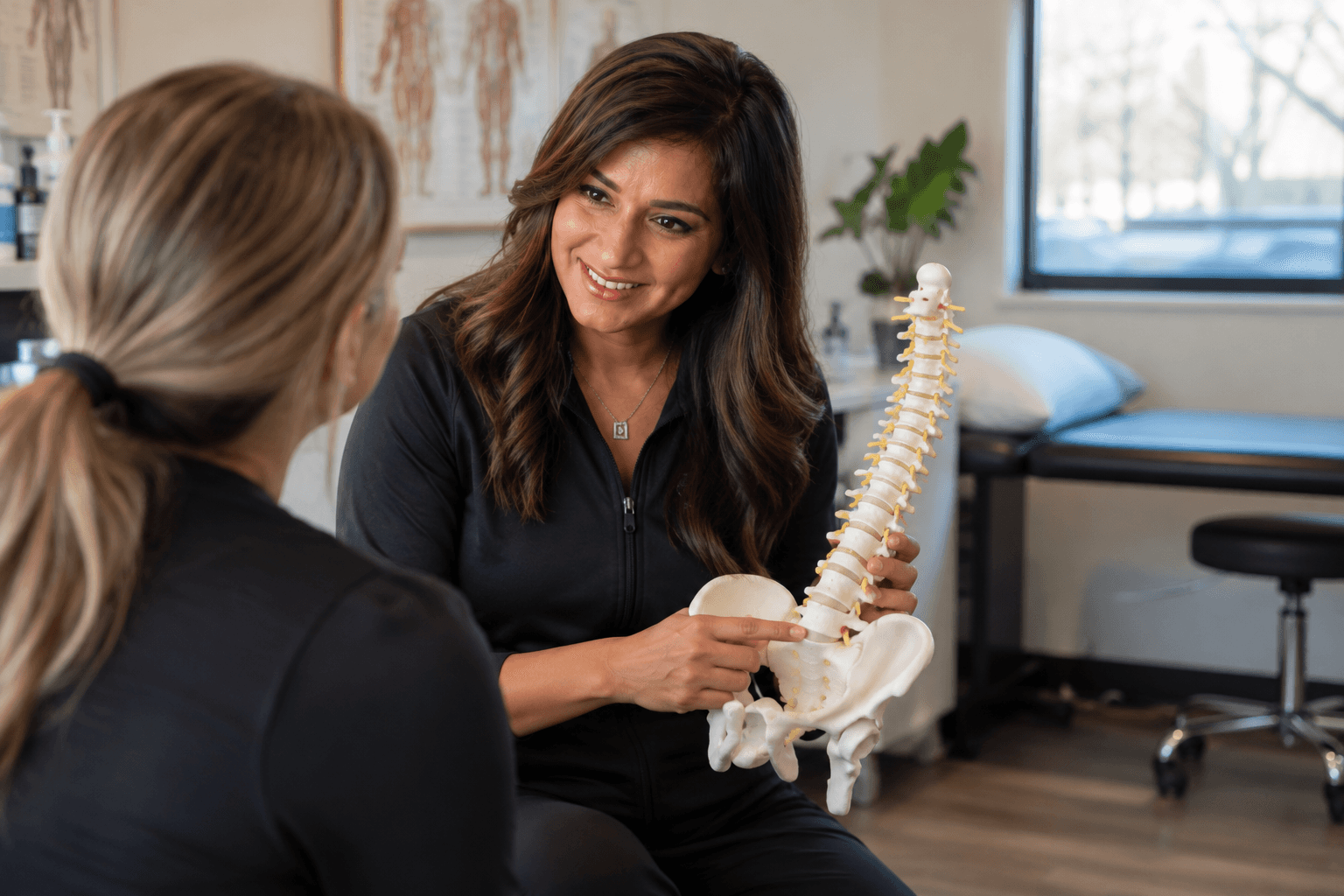
Dry needling is a technique physical therapists may use as part of treatment for certain musculoskeletal pain and movement problems.
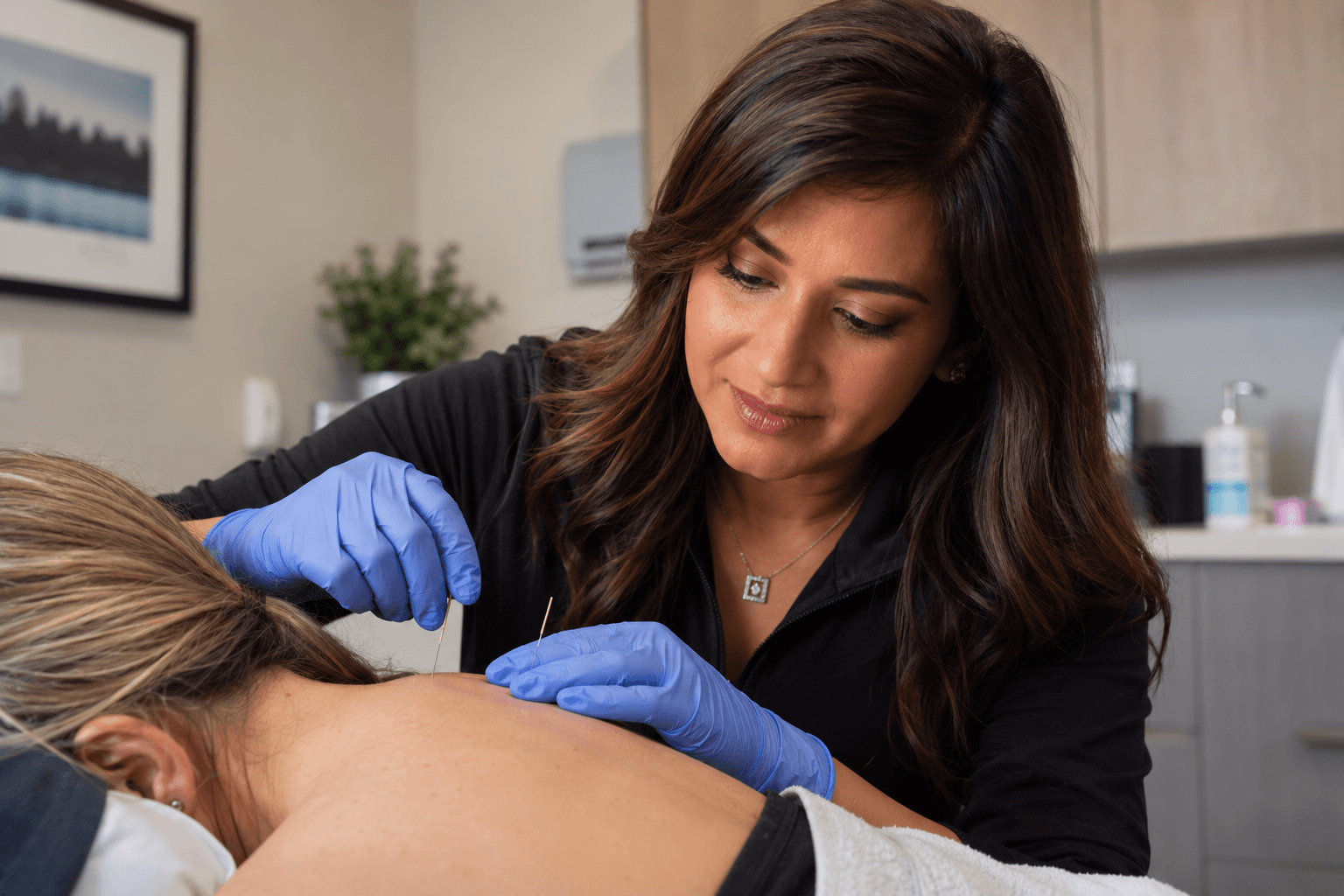
A thin, solid needle is inserted into selected muscle or soft-tissue areas based on what the physical therapist finds during an evaluation. Nothing is injected into the body, the needle contains no medication, which is why the technique is called “dry” needling.
But the treatment is more than simply putting a needle where something hurts.
Your physical therapist needs to consider your symptoms, movement, muscle function, health history, and what you're trying to get back to doing. Dry needling may then be one part of a larger treatment plan when the findings support its use.
Does Dry Needling Actually Work?
Dry needling may help reduce pain and improve function for some musculoskeletal conditions, but it is not a guaranteed solution and isn't appropriate for every patient.
Research suggests benefits for certain problems, particularly when dry needling is used alongside an appropriate rehabilitation program rather than treated as a stand-alone cure.
For example, a 2024 systematic review and meta-analysis of 12 randomized controlled trials involving 781 patients with plantar fasciitis found improvements in pain and function in several comparisons. The researchers also noted limitations in the available evidence and the need for additional high-quality studies.
Research involving trigger-point dry needling for neck and shoulder pain has also reported pain reduction in some patients, although results vary depending on the condition, patient, and study.
So instead of asking only:
“Does dry needling work?”
A more useful question is:
“Is dry needling appropriate for what is causing my pain?”
That requires an individual evaluation. Accountability and Motivation
Staying committed to your fitness routine can be challenging without proper accountability. A personal trainer ensures you show up for every session and encourages you to keep going, even on tough days. Their constant feedback and support create a positive cycle of motivation, pushing you to achieve more than you ever thought possible.
What Problems Can Dry Needling Help With?
A physical therapist may consider dry needling when muscle tightness, trigger points, or other neuromusculoskeletal problems appear to be contributing to pain or restricted movement.
Depending on the individual evaluation, dry needling may be considered for problems involving the neck and shoulders, back, hips and legs, feet and ankles, muscle spasms or tightness, sports-related pain, and plantar heel pain.
But having one of these problems does not automatically mean you need dry needling.
Two people can walk into a clinic pointing to exactly the same painful spot and have very different reasons for hurting.
That's why at One 2 One, the decision starts with the patient and the evaluation, not the treatment technique.
Does Dry Needling Hurt?
Dry needling can cause brief discomfort, but what a patient feels varies. The needles are very thin. Some people feel little when the needle enters the skin, while treatment of a sensitive area may produce a brief twitch, pressure, cramping sensation, or ache.
Temporary muscle soreness afterward can also occur.
If needles make you nervous, tell your physical therapist. Asking questions before treatment is completely reasonable, and dry needling should never be something you feel pressured to receive simply because the clinic offers it.

Is Dry Needling the Same as Acupuncture?
No. Dry needling and acupuncture both use thin needles, but they are based on different clinical frameworks and should not be treated as interchangeable procedures.
In physical therapy, dry needling is used within the evaluation and treatment of neuromusculoskeletal pain and movement dysfunction.
There is also a local point that's important for Indiana patients.
Indiana has specific requirements governing physical therapists who perform dry needling, including education and training requirements. The procedure must be performed by an appropriately qualified physical therapist rather than delegated to someone else.
That makes the training and experience of the person performing the treatment worth asking about.
Why Experience With Dry Needling Matters
A needle is a tool. Knowing when, where, and whether to use it requires clinical judgment.
This is an area where One 2 One has an important history.
Dr. Divya Narayanan has specialized in Trigger Point Dry Needling since 2008, helping patients manage muscle pain, tension, and movement restrictions. She was also one of the first physical therapists in the Indianapolis area trained in the technique.
That experience doesn't mean every patient who comes to One 2 One receives dry needling.
It means Dr. Divya can evaluate what is limiting your movement or contributing to your symptoms and determine whether dry needling deserves a place in your treatment plan.
Sometimes it may.
Sometimes another approach makes more sense.

Can Dry Needling Help Plantar Fasciitis and Heel Pain?
Dry needling may help some people with plantar fasciitis or plantar heel pain, particularly as part of a broader rehabilitation plan, but it should not be presented as a guaranteed cure.
Persistent heel pain is actually a good example of why treatment needs to look beyond the painful spot.
Someone may already have tried different shoes, stretching, inserts, massage, rest, or reducing activity and still find that the pain returns.
Research provides some support for dry needling in plantar fasciitis. The 2024 systematic review mentioned earlier found improvements in pain and foot function across several comparisons, although researchers cautioned that more high-quality evidence is still needed.
The important point is this:
Reducing pain is valuable, but understanding why the heel continues to hurt matters too.
A physical therapy evaluation can look beyond the heel itself and consider the movement and physical factors that may be contributing to the problem.
What Should You Expect at One 2 One Physical Therapy?
You shouldn't walk into a physical therapy clinic with pain and automatically receive dry needling.
At One 2 One Physical Therapy in Carmel, care is individualized and one-on-one.
Your treatment starts by looking at your symptoms, movement, limitations, and what the problem is preventing you from doing.
Maybe you want to get back to running.
Maybe shoulder pain is interfering with tennis or working out.
Maybe neck or back discomfort makes sitting through your workday difficult.
Or maybe you're simply tired of changing your activities around a problem that keeps returning.
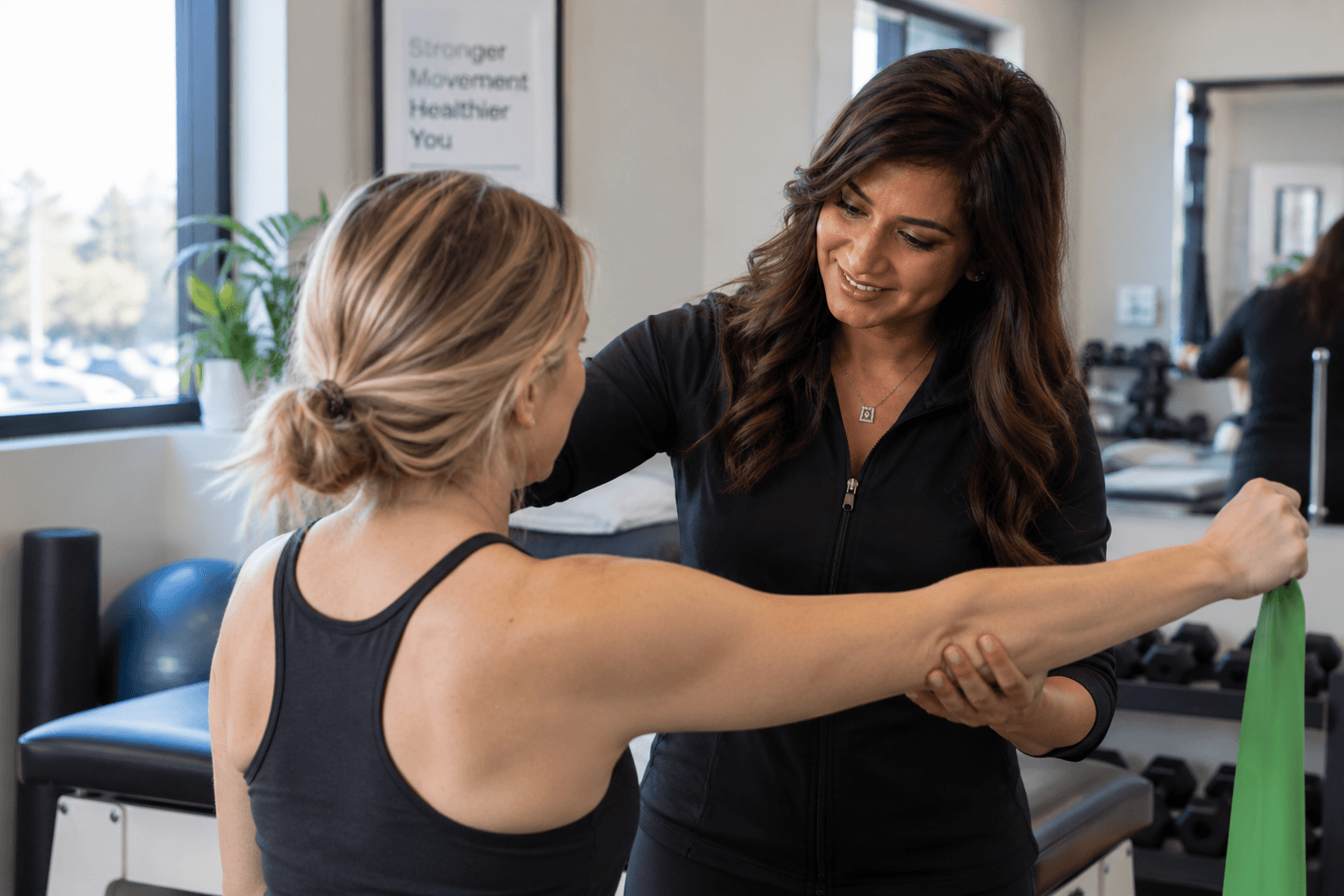
Once Dr. Divya understands what's happening, dry needling may be incorporated when appropriate. Other physical therapy approaches may also be used depending on what the evaluation shows.
The objective isn't simply to perform dry needling.
The objective is to help you move and function better.
How Many Dry Needling Sessions Will I Need?
There isn't one number of dry needling sessions that is right for everyone.
How someone responds depends on the problem being treated, how long symptoms have been present, health history, treatment response, and what other factors need to be addressed.
Some patients may notice changes quickly. Others may require more time, and some may discover that dry needling isn't the most appropriate treatment for their problem.
That's why promising a predetermined number of sessions before evaluating someone doesn't make much sense.
Is Dry Needling Right for Your Pain?
If pain, muscle tightness, or restricted movement keeps interfering with your work, exercise, sports, sleep, or everyday life, you don't have to diagnose yourself or decide whether you “need” dry needling before seeing a physical therapist.
Start with the problem.
At One 2 One Physical Therapy in Carmel, IN, Dr. Divya can evaluate what's happening, explain what she finds, and discuss whether Trigger Point Dry Needling, or another physical therapy approach, makes sense for you.
Frequently Asked Questions About Dry Needling
Does dry needling hurt?
Some people feel little when the needle enters, while others may experience a brief twitch, pressure, cramping sensation, or ache. Temporary soreness after treatment can also occur.
Is dry needling the same as acupuncture?
No. Although both use thin needles, dry needling within physical therapy and acupuncture come from different clinical frameworks and are used differently.
How long does soreness last after dry needling?
Some patients experience temporary soreness following treatment. How long it lasts can vary depending on the individual and the area treated. Your physical therapist can explain what to expect based on your treatment.
Can dry needling help plantar fasciitis?
Research suggests dry needling may help reduce pain and improve function for some people with plantar fasciitis, particularly when incorporated into a broader rehabilitation plan. It isn't appropriate or effective for every patient.
Do I need a doctor's referral for physical therapy in Indiana?
You can begin physical therapy at One 2 One without first obtaining a physician referral. If your situation requires additional medical evaluation or coordination, your physical therapist can discuss that with you.
Looking for Dry Needling in Carmel, IN?
If you're dealing with pain that keeps returning or you're wondering whether dry needling could be appropriate for you, start with an individual evaluation.
One 2 One Physical Therapy
1077 3rd Ave SW
Carmel, IN 46032
(317) 703-0932
No physician referral is needed to get started.